
Skin Inflammation (Burning, Stinging, Flare-Ups)

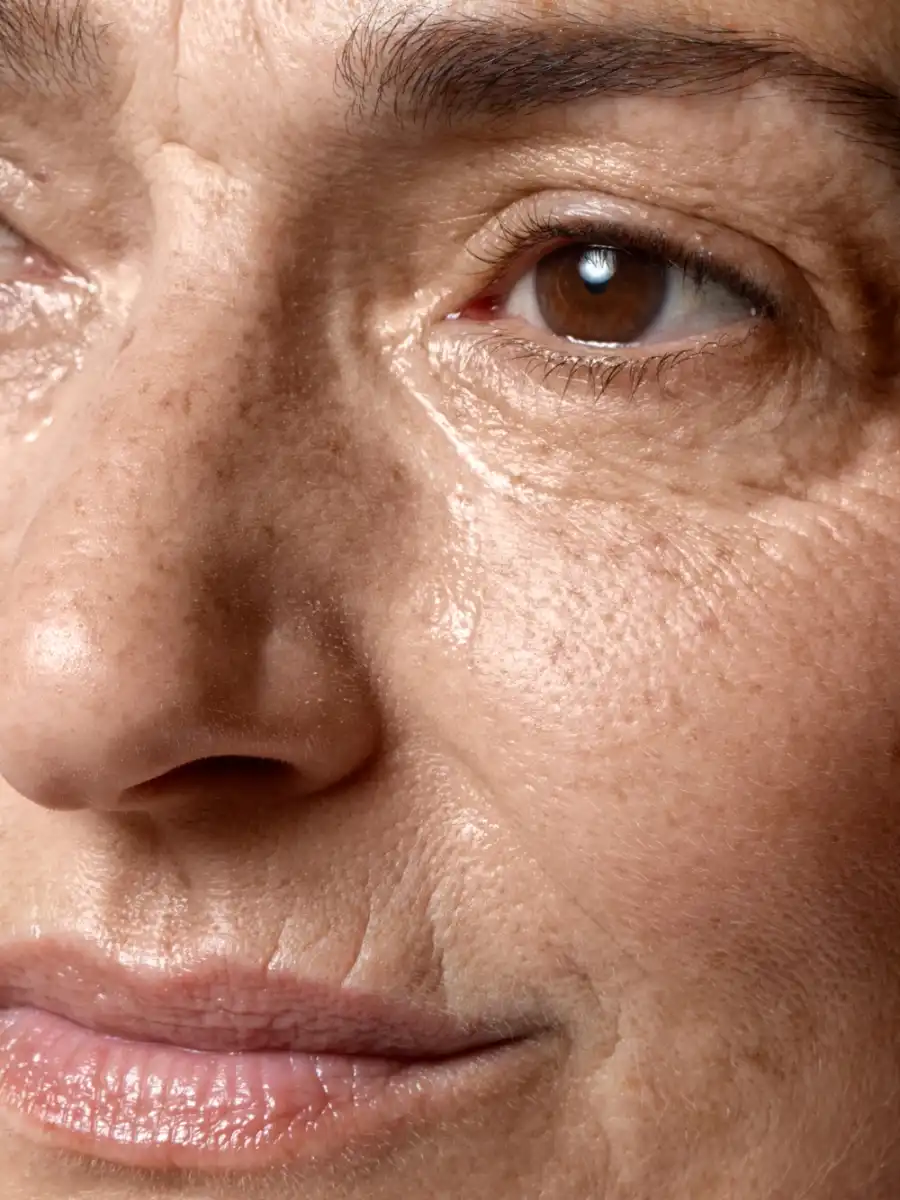
Scientific Drivers / Common Triggers
Common triggers and drivers may include:
Barrier Breakdown
and increased transepidermal water loss (TEWL)
Overuse of Actives
acids, retinoids, scrubs or strong active skincare
Rosacea-Type Patterns
inflammation and flushing patterns
Environmental Triggers
cold weather, wind, heat, pollution
Hormonal Transition
affecting skin recovery capacity (perimenopause/menopause)
Primary Recommended Programme Pathway: Skin Barrier Repair & Recovery Programme (Secondary: Rosacea & Redness Control if rosacea-type patterns present)
Recommended Treatments
Based on your condition, we recommend the following treatments.
Why Clients Choose ULANDA
- ●Advanced Nurse Practitioner-led consultation with structured inflammation assessment
- ●Barrier-first clinical decision-making to prevent flare-ups and skin fatigue
- ●Nurse Independent Prescriber oversight where clinically appropriate
- ●Treatment sequencing designed for long-term stability, not temporary calming
- ●Calm premium environment with strong clinical governance and skin safety standards
- ●Trusted by clients across Ware, Hertfordshire and surrounding areas
Frequently Asked Questions
Burning and stinging are usually signs of barrier disruption and inflammation. When the skin barrier is weakened, irritants penetrate more easily and trigger inflammation, making even gentle products feel uncomfortable.
Not always. Allergic reactions tend to be sudden and linked to a specific ingredient, whereas inflammation can be chronic and ongoing. Many clients experience inflammation due to barrier breakdown, over-treatment or rosacea-type patterns rather than true allergy.
Flare-ups often occur when the skin is reactive and unstable. Triggers can include heat, stress, alcohol, skincare changes, harsh actives, weather exposure or hormonal shifts. At ULANDA, we map your flare pattern and triggers during consultation.
Yes. Overuse of acids, scrubs, peels and retinol can strip the barrier and trigger chronic inflammation. Many clients believe they are "treating" their skin when they are actually weakening its protective function.
Yes. Inflamed skin can still produce excess oil, especially if the barrier is damaged. This can lead to congestion and breakouts alongside redness and sensitivity, which requires careful treatment sequencing.
In many cases, yes. If your skin is burning or stinging, continuing strong actives can worsen inflammation. ULANDA focuses on stabilising and calming the skin first, then safely reintroducing correction when appropriate.
Treatments such as Barrier Support Facials, Deep Hydration Facials and LED Light Therapy are often appropriate. These support healing, reduce inflammation and rebuild skin comfort without triggering flare-ups.
Yes. Hormonal transition can weaken the barrier and increase flushing and sensitivity patterns. Many women notice skin becomes more reactive and inflamed during perimenopause and menopause.
Many clients see improvement within 2–4 weeks with correct stabilisation, but deeper barrier recovery can take 6–12 weeks depending on severity. Long-term improvement requires reducing triggers and following a structured recovery plan.
ULANDA is a nurse-led skin clinic in Ware, Hertfordshire offering structured Skin Behaviour Consultations and barrier recovery programmes. Many clients travel from Hertford, Hoddesdon, Broxbourne, Bishop's Stortford and St Albans for calm, clinically guided skin inflammation support.
Restore Balance To Inflamed Skin
Book a consultation to calm inflammation and rebuild your skin barrier.
Book Advanced Skin Health Consultation