
How to Repair a Damaged Skin Barrier Professionally
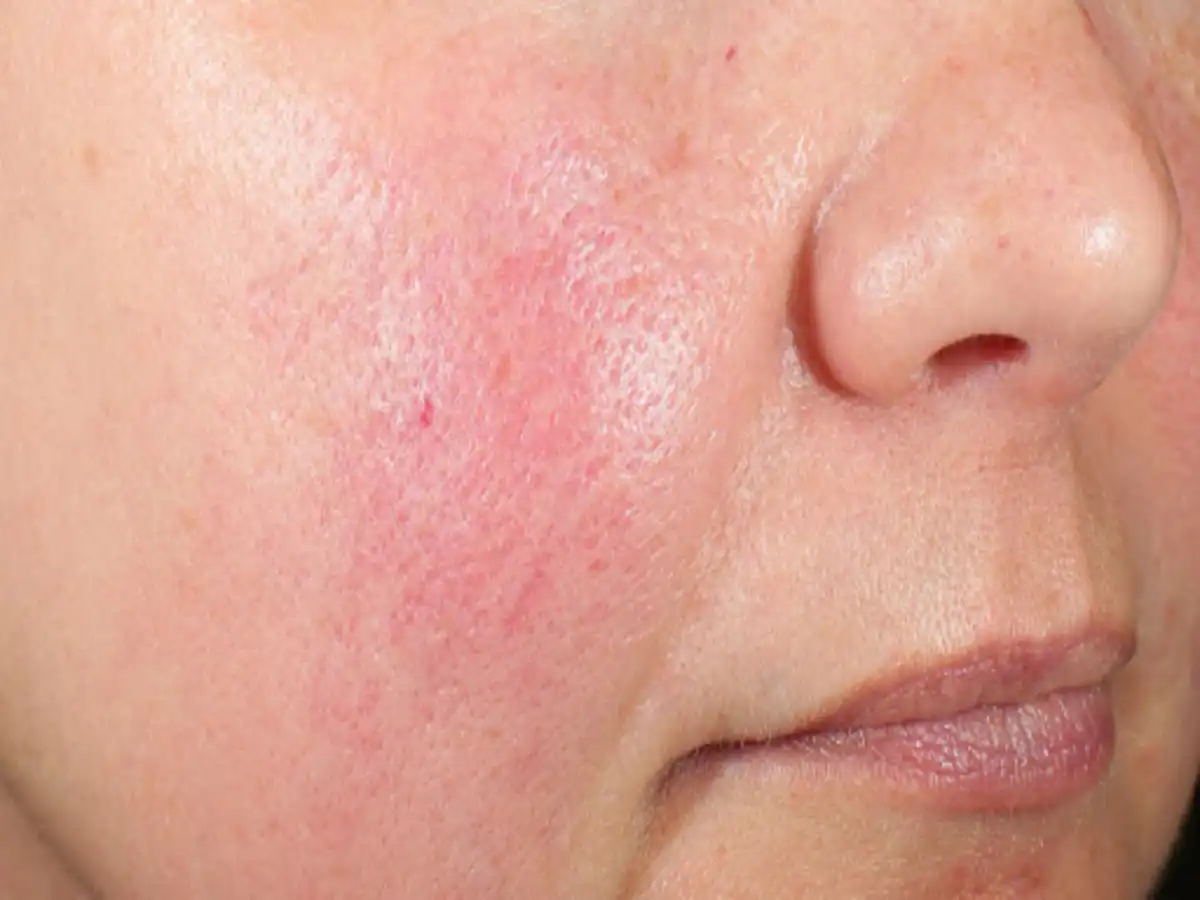
How to Repair a Damaged Skin Barrier Professionally
A damaged skin barrier refers to disruption of the outer lipid matrix of the epidermis, leading to increased transepidermal water loss (TEWL), inflammatory instability and reduced tolerance to aesthetic treatment.
Mild barrier disruption may improve with simplified skincare.
Moderate to severe instability often requires structured clinical stabilisation before regenerative procedures are introduced.
At ULANDA, a nurse-led Medical Aesthetic Clinic in Ware, barrier repair is assessment-led — not cosmetic-led.
What Is the Skin Barrier?
The skin barrier is the outermost protective layer of the epidermis composed of lipids, corneocytes and natural moisturising factors.
It is responsible for:
- Retaining hydration
- Regulating inflammatory response
- Protecting against environmental stress
- Supporting collagen behaviour
- Maintaining treatment tolerance
When compromised, skin performance declines.
What Causes Skin Barrier Damage?
Common causes include:
- Over-exfoliation (acids, retinoids, physical scrubs)
- Aggressive skincare layering
- Environmental stress (UV, pollution, cold air)
- Hormonal shifts (perimenopause, menopause)
- Over-treatment without recovery
- Genetic lipid production deficiencies
Barrier dysfunction is increasingly common in modern skin.
Signs Your Barrier May Be Compromised
You may notice:
- Stinging with water or cleanser
- Persistent redness
- Surface dehydration despite moisturiser
- Breakouts alongside sensitivity
- Skin that appears dull yet feels reactive
- Treatments that no longer perform predictably
These signs warrant structured assessment.
Why Barrier Instability Reduces Treatment Results
Barrier instability increases inflammatory signalling and suppresses fibroblast function.
If advanced procedures are introduced prematurely:
- Recovery may extend
- Pigmentation may rebound
- Sensitivity may worsen
- Collagen stimulation may underperform
- Results may be inconsistent
Stabilisation improves tissue responsiveness and predictability.
Homecare vs Professional Barrier Repair
| Homecare Approach | Clinical Barrier Stabilisation at ULANDA |
|---|---|
| Simplified routine | Structured biological assessment |
| Basic moisturisers | Lipid matrix restoration |
| Trial and error | Diagnosis-led sequencing |
| Temporary soothing | Inflammatory regulation |
| No objective measurement | AI-supported monitoring |
Homecare is appropriate for mild disruption.
Clinical repair is recommended when instability persists or affects treatment outcomes.
What Professional Barrier Stabilisation Involves
Barrier repair at a leading Skin Clinic in Ware may include clinician-selected variations such as:
- Skin Barrier Deep Cleanse
- Skin Barrier Hydration
- Skin Barrier Enzyme Renewal
- Skin Barrier Oxygenation
- Skin Barrier Restore
Selection depends on your dominant biological presentation.
It is never chosen from a menu.
Where clinically appropriate, prescription-strength skincare including Obagi Medical® may be introduced alongside barrier stabilisation to regulate pigmentation, support collagen renewal or manage congestion.
Obagi Medical® Skincare
Medical-grade prescription skincare introduced within consultation-led treatment planning.
Why Clients Often Notice Visible Improvement Quickly
When lipid integrity improves and inflammatory load reduces, the skin may appear:
- Calmer
- More even in tone
- Smoother in surface texture
- More hydrated in reflectivity
- Visibly brighter
This is not cosmetic masking.
It is the optical result of improved barrier stability and hydration balance.
Clinical stabilisation produces natural luminosity.
Many clients in Ware and surrounding Hertfordshire areas notice this visible refinement shortly after intervention.
When to Seek Clinical Assessment
Consider structured assessment if:
- Sensitivity persists beyond several weeks
- Homecare adjustments fail
- You are considering injectables
- Previous treatments have disappointed
- Your skin feels reactive despite minimal routine
Barrier-first sequencing protects long-term outcomes.
In Summary
Repairing a damaged skin barrier involves:
- Restoring lipid matrix integrity
- Reducing inflammatory signalling
- Improving hydration regulation
- Protecting collagen responsiveness
- Sequencing treatment safely
Barrier stabilisation is foundational — not cosmetic.
Begin With Structured Assessment
If you are experiencing persistent sensitivity or considering aesthetic treatment in Ware, Hertford, Broxbourne or surrounding Hertfordshire areas, begin with measurable clinical clarity.
Advanced Skin Health Consultation
£175 | 60–90 Minutes Immediate visible refinement. Structured long-term strategy.
Mentioned Treatments
Explore the treatments discussed in this article
BioRePeel
Resurfaces and revitalises the skin without visible exfoliation.
Microneedling
Collagen-induction treatment designed to improve texture, pores, acne scarring and long-term skin quality.
Profhilo
Injectable bio-remodelling designed to support hydration, elasticity and natural-looking skin quality improvement.
Enzyme Renewal Facial
A restorative, oxygenating facial that strengthens the skin barrier, boosts circulation and improves midlife skin function.
Polynucleotides
Regenerative injectable treatment supporting tissue repair, collagen production and long-term skin resilience.
Frequently Asked Questions
Mild disruption may improve with simplified skincare. Persistent instability often requires clinical sequencing.
Some clients require one stabilisation session. Others benefit from structured sequencing over several weeks before progressing into regenerative treatment.
Not always. Clinical assessment distinguishes between inflammatory conditions and barrier dysfunction.
If performed on unstable skin, yes. Stabilisation should precede stimulation.
Yes. As inflammation reduces and hydration balance restores, skin often appears smoother, calmer and more luminous — reflecting improved biological stability.
Clinical Insight
Explore the clinical pathways referenced in this article.
Ready to restore your skin?
Book a consultation with our specialists at ULANDA to discuss a personalized treatment plan for your skin needs.
Immediate visible refinement. Structured long-term plan.
Begin with a Clinical Assessment
Every ULANDA journey starts with our Advanced Skin Health Consultation — a 60–90 minute clinician-led assessment including AI skin analysis, barrier evaluation and personalised treatment planning. The £175 fee is fully redeemable against your treatment plan.