
Facial Balance & Vitality
Look Like Yourself. Feel Like Yourself.


FACIAL BALANCE & VITALITY AT A GLANCE
Facial balance refers to the relationship between skin quality, facial structure, hydration, collagen support and natural facial expression.
Common Concerns
- ✔Looking tired
- ✔Looking older than you feel
- ✔Under-eye ageing
- ✔Fine lines
- ✔Wrinkles
- ✔Crow's feet
- ✔Forehead lines
- ✔Skin laxity
- ✔Loss of firmness
- ✔Menopause facial change
Commonly Recommended Treatments
Every recommendation begins with a consultation-led assessment.
Look Like Yourself. Feel Like Yourself.
You want your appearance to reflect how you feel.
Sometimes the first sign of change isn't a wrinkle. It's simply the feeling that you no longer look quite like yourself.
These changes are rarely caused by one factor alone. Skin quality, hydration, collagen support, facial structure and hormonal change all play a role — and the right approach depends on what is actually driving the change in your face.
Whether your goal is prevention, maintenance, regeneration or healthy ageing, every journey at ULANDA begins with understanding what is changing and why.
- Understand what is genuinely changing in your skin and face
- Preserve natural expression and identity
- Support long-term skin health, not just short-term correction
- Build a personalised, hormone-aware treatment pathway
Understanding Before Treatment.
Never assumption. Never one-size-fits-all.
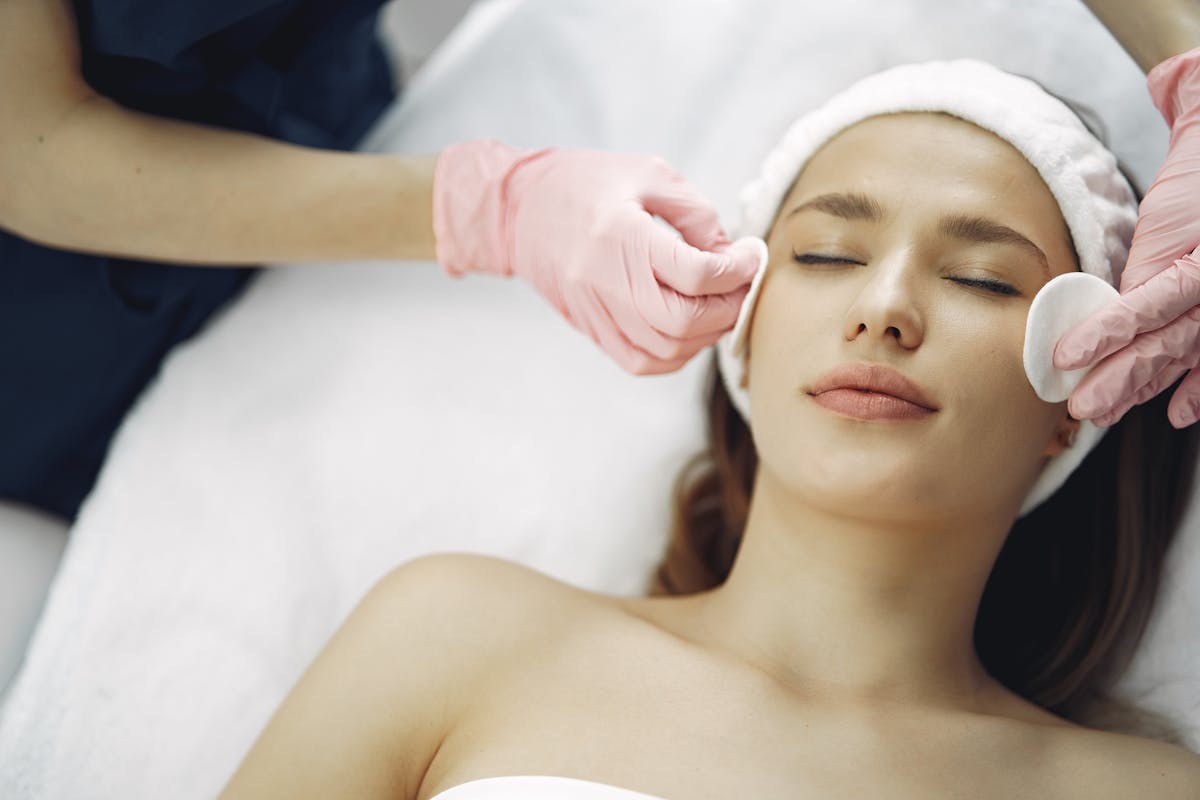
Conditions We Treat Under Facial Balance & Vitality
Looking Tired & Facial Fatigue
A tired appearance despite feeling well-rested is one of the most common reasons women first explore facial balance treatments.
Common Signs
- •Tired appearance
- •Darker under-eyes
- •Reduced glow
- •Heavy eye area
- •Facial fatigue
Best Treatments
Under-Eye Ageing, Hollows & Crepiness
Changes around the eyes are often the first visible sign of facial ageing, influenced by hollowing, thinning skin and shadowing.
Common Signs
- •Dark circles
- •Hollow eyes
- •Crepiness
- •Thin skin
- •Shadowing
Best Treatments
Expression Lines & Dynamic Wrinkles
Repeated facial movement gradually creates visible forehead lines, frown lines and crow's feet.
Common Signs
- •Forehead lines
- •Crow's feet
- •Frown lines
- •Bunny lines
Best Treatments
Skin Quality Decline & Loss Of Glow
Dullness, fine creasing and reduced elasticity often reflect changes in hydration and collagen rather than ageing alone.
Common Signs
- •Dull skin
- •Fine creasing
- •Reduced elasticity
- •Rough texture
Best Treatments
Menopause Facial Change
Hormonal changes can influence collagen production, skin thickness, elasticity and overall facial appearance.
Common Signs
- •Skin thinning
- •Collagen decline
- •Loss of firmness
- •Increased creasing
Best Treatments
Jawline Softening & Lower Face Changes
Reduced definition along the jawline is often linked to structural support loss rather than weight change alone.
Common Signs
- •Reduced definition
- •Lower-face heaviness
- •Loss of support
Best Treatments
Looking Older Than You Feel
A combination of facial fatigue, skin quality decline, under-eye change and expression dominance can create a gap between how you look and how you feel.
Common Signs
- •Facial tiredness
- •Skin quality decline
- •Under-eye change
- •Expression dominance
Best Treatments
Treatments Commonly Recommended For Facial Balance & Vitality
Profhilo
Bio-remodelling hydration treatment that improves elasticity and overall skin quality.
Learn MorePolynucleotides
Supports tissue repair, collagen production and cellular regeneration.
Learn MoreAnti-Wrinkle Treatments
Softens expression-heavy areas while preserving natural facial movement.
Learn MoreMicroneedling
Stimulates collagen production to improve tone, texture and firmness.
Learn MoreSkin Regeneration Programmes
Personalised, combination-led pathways for long-term skin health.
Learn MoreRelated Clinical Insights
Why Hertfordshire Women Choose ULANDA
- ●Nurse-led expertise
- ●Consultation-first approach
- ●Natural refinement
- ●Hormone-aware planning
- ●Regenerative philosophy
- ●Personalised treatment pathways
- ●Long-term skin health focus
Advanced Skin Health Consultation
- ✔AI Skin Analysis
- ✔Barrier Assessment
- ✔Hormonal Review
- ✔Facial Ageing Assessment
- ✔Personalised Treatment Planning
£175 Fully Redeemable Against Your Treatment Plan
Book Skin Health ConsultationUnderstanding Before Treatment.
Questions Women Commonly Ask About Facial Balance & Vitality
Looking tired is not always caused by fatigue. Many women notice a tired appearance despite feeling healthy and well-rested. Common contributors include under-eye hollowing, skin thinning, collagen decline, reduced skin quality, dehydration and changes in facial expression patterns over time. Hormonal changes, stress, inflammation and natural collagen loss can also affect how refreshed the face appears. At ULANDA, we assess the biological factors contributing to facial fatigue before recommending treatment. Depending on your individual needs, treatment pathways may include Polynucleotides, Profhilo, Under-Eye Renewal or regenerative skin health programmes designed to improve skin quality and support healthy ageing.
Many women first notice facial changes in photographs before they notice them in the mirror. This often happens because photographs highlight subtle changes in skin quality, facial volume, elasticity, under-eye shadowing and facial structure that are less obvious during everyday interactions. Changes in collagen production, hydration, skin thickness and hormonal activity can all contribute to the appearance of ageing. Looking older in photographs does not necessarily mean you have aged rapidly. It often reflects gradual biological changes that become more visible under different lighting conditions and camera angles. The first step is understanding what has changed and why.
Menopause influences multiple biological processes that affect the face. Declining oestrogen levels can reduce collagen production, skin thickness, elasticity and hydration while increasing skin fragility and slowing repair processes. Many women notice increased creasing, under-eye ageing, skin thinning, loss of firmness, reduced glow and increased dryness. These changes are normal but often feel sudden. At ULANDA, menopause facial change is approached through a combination of skin quality assessment, hormonal context and regenerative treatment planning. Depending on individual needs, Profhilo, Polynucleotides and regenerative skin programmes may be considered as part of a healthy ageing strategy.
Facial ageing is influenced by a combination of biological, environmental and lifestyle factors, including collagen decline, elastin reduction, hydration loss, hormonal change, UV exposure, stress, inflammation, facial volume redistribution and natural structural change. Wrinkles are only one part of the picture. Many women are more affected by changes in skin quality, under-eye appearance, facial fatigue, loss of elasticity and reduced firmness than by wrinkles alone. Understanding which factors are driving change is often more important than focusing on age itself.
Facial balance refers to the harmony between facial features, skin quality, facial structure, hydration and natural expression. Healthy facial balance allows the face to appear refreshed, rested and proportionate without looking artificial or over-treated. At ULANDA, facial balance is not about changing how you look. It is about understanding what has changed and supporting healthy ageing in a way that preserves natural identity and expression. This approach often combines skin quality treatments, regenerative therapies and personalised treatment planning rather than focusing on one concern in isolation.
Yes. Modern healthy ageing focuses on improving skin quality, hydration, collagen support and facial harmony rather than creating dramatic change. Many women are concerned about looking frozen, overfilled or obviously treated. At ULANDA, treatment recommendations are designed to support natural refinement while preserving expression and individuality. Depending on your goals, treatment pathways may include Profhilo, Polynucleotides, Anti-Wrinkle Treatments, Microneedling and regenerative skin programmes. The aim is not to look different. The aim is to look like yourself — refreshed, confident and well.
Botox® is a brand name for a prescription anti-wrinkle treatment. Many people use the word Botox to describe anti-wrinkle treatments generally, although several licensed products are available that work in a similar way. Anti-wrinkle treatments temporarily relax specific facial muscles responsible for dynamic expression lines such as forehead lines, frown lines and crow's feet. At ULANDA, anti-wrinkle treatments are used to support facial balance and healthy ageing while preserving natural facial movement. The goal is not to remove expression but to soften expression-heavy areas in a way that looks natural and appropriate to the individual.
No. A frozen appearance is usually the result of treatment choices rather than the treatment itself. Modern anti-wrinkle treatments can be tailored to soften lines while preserving natural facial movement and expression. At ULANDA, treatment planning focuses on facial harmony, balance and natural refinement rather than complete muscle immobilisation. The objective is for people to notice that you look refreshed and well rather than noticing the treatment itself. This approach aligns with ULANDA's philosophy of helping your appearance reflect how you feel while maintaining natural identity and expression.
There is no specific age at which anti-wrinkle treatments become appropriate. Some women explore preventative anti-wrinkle treatments in their late twenties or thirties when expression lines begin to persist after movement. Others choose treatment later as lines become more established. The most important factor is not age but how your skin and facial movement patterns are behaving. At ULANDA, recommendations are based on individual assessment rather than age-based treatment plans. For some women, skincare, skin quality treatments or regenerative approaches may be more appropriate than anti-wrinkle treatment.
These treatments support different aspects of healthy ageing. Anti-wrinkle treatments help manage expression lines and dynamic wrinkles. Profhilo focuses on hydration, elasticity and overall skin quality through bio-remodelling. Polynucleotides support tissue repair, collagen production and skin regeneration at a cellular level. One treatment is not necessarily better than another. Many women benefit from combining approaches depending on their concerns, goals and stage of healthy ageing. The most appropriate option depends on what is driving change within the skin and face.
Yes. Anti-wrinkle treatments and Profhilo are commonly combined because they address different aspects of facial ageing. Anti-wrinkle treatments focus on expression management and line formation. Profhilo focuses on hydration, elasticity and skin quality. Together, they can support a refreshed appearance while maintaining natural facial movement. For some women, treatment programmes may also include Polynucleotides or Microneedling to further support collagen production and regenerative skin health.
Collagen production begins to decline gradually from the mid-twenties onwards. However, the effects are not immediately visible. Many women first notice changes in their thirties and forties through reduced skin bounce, fine creasing, dullness, under-eye changes or loss of firmness. Thinking about collagen support does not necessarily mean pursuing injectable treatments. It can include lifestyle factors, skincare, regenerative therapies and healthy ageing strategies designed to support long-term skin resilience. The most appropriate approach depends on your skin quality, goals and stage of life.
Skin quality treatments focus on hydration, collagen support, elasticity and overall skin health rather than altering facial shape or volume. Common examples include Profhilo, Polynucleotides, Microneedling, Skin Boosters and regenerative skin programmes. These treatments are often chosen by women who want to look fresher, healthier and more rested without changing their facial features. Improving skin quality is one of the most effective ways to support healthy ageing while maintaining a natural appearance.
Although Profhilo and Polynucleotides are both commonly used within healthy ageing programmes, they work in different ways and address different biological processes. Profhilo is a bio-remodelling treatment made from highly concentrated hyaluronic acid, primarily improving hydration, elasticity and overall skin quality. Polynucleotides support tissue repair and regeneration at a cellular level by encouraging fibroblast activity, collagen production and improved skin resilience, and are often used when concerns include skin thinning, under-eye ageing, crepiness, inflammation or menopause-related skin change. In simple terms, Profhilo focuses on hydration, elasticity and skin quality, while Polynucleotides focus on repair, regeneration and collagen support. Many women benefit from both treatments as part of a structured healthy ageing programme. At ULANDA, treatment recommendations are based on what is driving change within the skin rather than selecting treatments in isolation.
Preventative Botox refers to the use of anti-wrinkle treatments before expression lines become permanently established in the skin. When we smile, frown or raise our eyebrows, repeated muscle movement creates temporary lines that can begin to remain visible even when the face is at rest. Preventative anti-wrinkle treatment aims to soften excessive muscle activity before deeper lines develop. There is no specific age at which preventative treatment becomes appropriate; the decision should be based on facial movement patterns, skin quality, family history, lifestyle factors and individual goals. At ULANDA, preventative anti-wrinkle treatment is approached as one potential component of a wider healthy ageing strategy that may also include Profhilo, Polynucleotides, Microneedling and skin health optimisation. The goal is not to freeze movement or change appearance — it is to help your appearance reflect how you feel while preserving natural expression and facial harmony.
Because Profhilo, Polynucleotides, Anti-Wrinkle Treatments, Microneedling and regenerative therapies all address different biological processes, the most appropriate treatment depends on what is driving change within your skin and face. Two women of the same age may require completely different treatment pathways. At ULANDA, treatment recommendations begin with the Advanced Skin Health Consultation, where skin quality, facial ageing patterns, barrier function, hormonal influences and treatment goals are assessed before any treatment is recommended. This consultation-first approach helps ensure that treatment decisions are based on understanding rather than trends, assumptions or isolated concerns.
Start Your Healthy Ageing Journey
Whether your goal is prevention, maintenance, regeneration or simply understanding what is changing, every recommendation begins with understanding.
Book Skin Health ConsultationBegin with a Clinical Assessment
Every ULANDA journey starts with our Advanced Skin Health Consultation — a 60–90 minute clinician-led assessment including AI skin analysis, barrier evaluation and personalised treatment planning. The £175 fee is fully redeemable against your treatment plan.