
Hormonal Skin Pigmentation / Melasma Flare

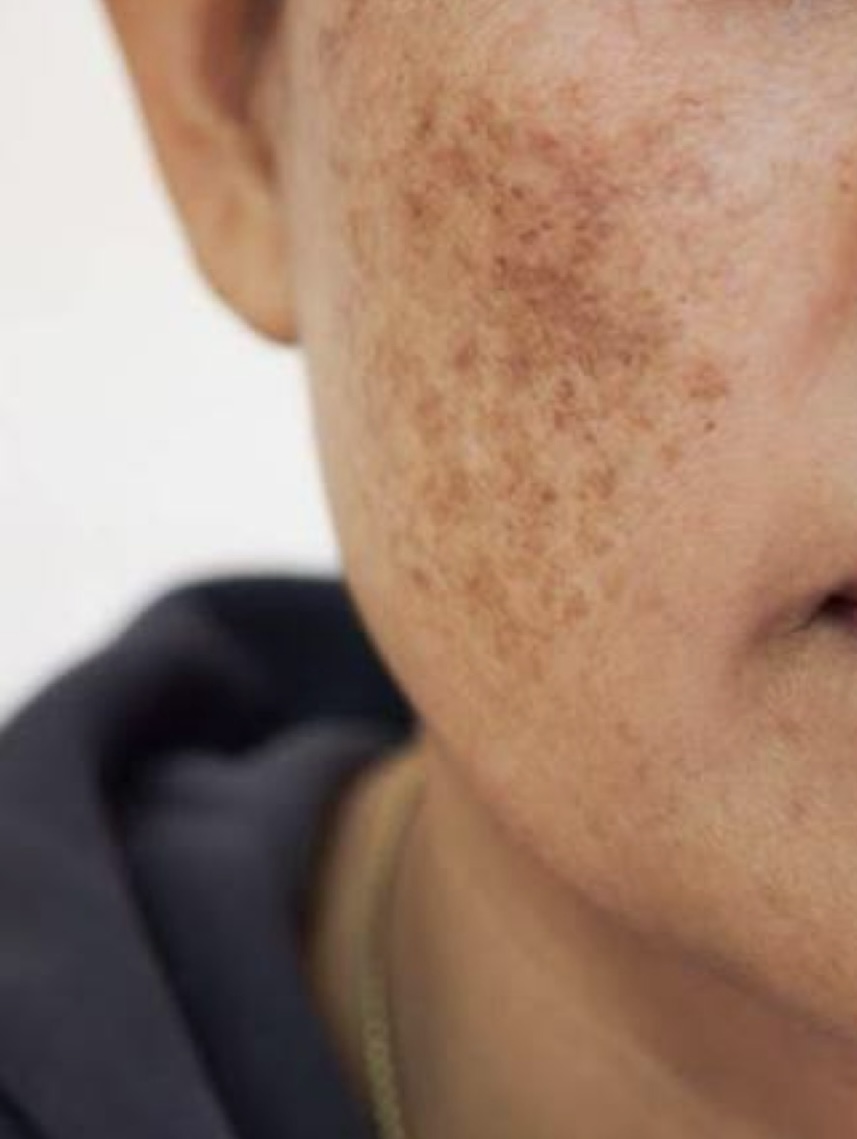
Scientific Drivers / Common Triggers
Common triggers and drivers may include:
Estrogen Fluctuations
pregnancy, pill, HRT or perimenopause stimulating melanocytes
Heat Sensitivity
hot weather, saunas or exercise flaring pigment
Inflammation
underlying skin inflammation worsening pigment depth
Sun Exposure
even minimal UV exposure darkening the patches instantly
Primary Recommended Programme Pathway: Radiate Hormone-Smart Skin Programme (Secondary: Chemical Peel Therapy)
Recommended Treatments
Based on your condition, we recommend the following treatments.
Why Clients Choose ULANDA
- ●Advanced Nurse Practitioner-led diagnosis of hormonal vs. sun-damage pigment
- ●Safe, heat-free strategies that avoid the risk of rebound hyperpigmentation
- ●Nurse Independent Prescriber oversight for prescription-strength pigment control
- ●Structured sequencing combining clinic treatment with home suppression
- ●Calm premium environment with strong clinical governance and skin safety standards
- ●Trusted by clients across Ware, Hertfordshire and surrounding areas
Frequently Asked Questions
No. Sun damage is cumulative ageing from UV rays. Hormonal pigmentation (melasma) is driven by internal hormonal signals and is often symmetrical and heat-sensitive. Treating it like sun damage (e.g. with IPL) can sometimes make it worse.
Hormonal pigment is sensitive to heat as well as light. Even if you block UV rays, the heat from the sun (infrared) can stimulate melanocytes to produce more pigment. Physical cooling and heat avoidance are key.
We are very cautious with lasers on melasma because the heat can trigger inflammation and cause 'rebound pigmentation'. We prefer chemical peels and microneedling which manage pigment without thermal risk.
Hormonal pigmentation is a chronic condition, meaning it can be managed and cleared, but it requires maintenance. If you stop suppression or have a hormonal shift, it can return. ULANDA focuses on long-term management strategies.
Yes. The combined contraceptive pill mimics pregnancy hormones, which can trigger melasma in susceptible women. If this is a driver, we may discuss this during your consultation.
Yes. Stress increases cortisol and inflammation, which stimulates pigment cells. Many clients notice their melasma darkens during stressful periods.
Hydroquinone is a prescription agent that is effective but should not be used continuously for long periods. ULANDA prescribes it (where appropriate) in structured cycles with safe breaks to prevent resistance or side effects.
Pigment correction takes time because we are working with the skin's renewal cycle. Most clients see significant brightening within 6–12 weeks of combined home care and treatment.
ULANDA is a nurse-led skin clinic in Ware, Hertfordshire offering structured Advanced Skin Health Consultations and programme-led treatment pathways. Many clients travel from Hertford, Hoddesdon, Broxbourne, Bishop's Stortford, Cheshunt and St Albans for safe, clinically guided pigment management.
Book Your Advanced Skin Health Consultation
ULANDA is a nurse-led skin clinic in Ware, Hertfordshire, focused on structured skin regeneration programmes and long-term skin resilience.
Book Advanced Skin Health ConsultationBegin with a Clinical Assessment
Every ULANDA journey starts with our Advanced Skin Health Consultation — a 60–90 minute clinician-led assessment including AI skin analysis, barrier evaluation and personalised treatment planning. The £175 fee is fully redeemable against your treatment plan.