
Sensitive / Reactive Skin

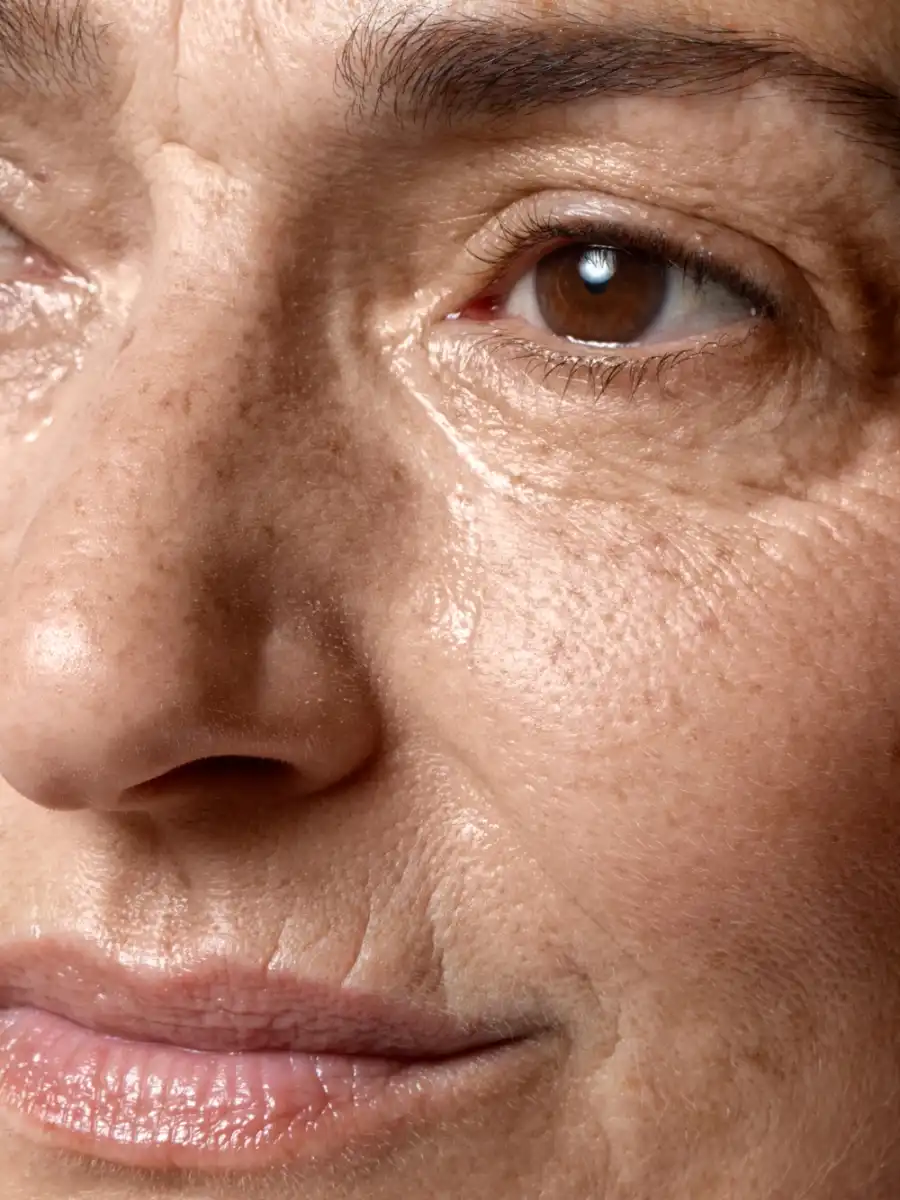
Scientific Drivers / Common Triggers
Common triggers and drivers may include:
Compromised Skin Barrier
and increased water loss (TEWL)
Overuse of Actives
acids, retinoids, scrubs or active skincare
Inflammation Patterns
redness, stinging and burning sensations
Environmental Exposure
cold weather, wind, pollution, indoor heating
Hormonal Change
and reduced skin recovery capacity
Primary Recommended Programme Pathway: Skin Barrier Repair & Resilience Programme (Secondary: Rosacea & Redness Control if flushing dominates)
Recommended Treatments
Based on your condition, we recommend the following treatments.
Why Clients Choose ULANDA
- ●Advanced Nurse Practitioner-led consultation with structured sensitivity assessment
- ●Barrier-first decision-making designed to prevent flare-ups and treatment fatigue
- ●Nurse Independent Prescriber oversight where clinically appropriate
- ●Treatment sequencing that avoids over-treatment and irritation cycles
- ●Calm premium environment with strong clinical governance and skin safety standards
- ●Trusted by clients across Ware, Hertfordshire and surrounding areas
Frequently Asked Questions
Sensitive skin is often caused by a weakened skin barrier, chronic inflammation, overuse of active ingredients, environmental exposure or hormonal change. When the barrier is unstable, the skin becomes less protected and reacts more easily to products, temperature shifts and stress.
Stinging usually means the barrier is compromised. When the barrier is weakened, ingredients penetrate too deeply and irritate nerve endings and inflamed tissue. This is a key sign that the skin needs recovery and stabilisation.
Yes. Many clients develop sensitivity after using acids, retinoids, peels, harsh cleansers or after excessive treatments. Sensitivity can also increase during perimenopause or menopause due to reduced barrier resilience and slower recovery.
Not always. Rosacea is a specific inflammatory condition often involving flushing, redness and sometimes visible capillaries or bumps. Sensitive skin may overlap with rosacea but can also exist without it. ULANDA assesses whether your sensitivity is rosacea-driven or barrier-driven.
Yes. Dehydration increases barrier weakness and makes skin more reactive. When hydration levels drop, the skin becomes tighter, more inflamed and more prone to irritation from products and environmental triggers.
In many cases, yes. Continuing acids or retinol when the skin is stinging or inflamed can worsen sensitivity. ULANDA provides a structured recovery plan and helps you reintroduce actives only when your skin is stable enough.
Treatments such as Barrier Support Facials, Deep Hydration Facials and LED Light Therapy are commonly used to calm inflammation and rebuild resilience. ULANDA avoids aggressive stimulation until the barrier is stable.
Yes. Perimenopause and menopause can reduce hydration retention, collagen strength and barrier function, leading to increased sensitivity, flushing and inflammation. Hormonal review is included in your consultation where relevant.
Many clients feel improvement within 2–4 weeks, but deeper stabilisation often takes 6–12 weeks depending on severity. Long-term calm skin requires correct sequencing and barrier-first treatment planning.
ULANDA is a nurse-led skin clinic in Ware, Hertfordshire offering structured Skin Behaviour Consultations and barrier recovery programmes. Many clients travel from Hertford, Hoddesdon, Broxbourne, Bishop's Stortford and St Albans for calm, clinically guided sensitive skin support.
Calm Your Sensitive Skin
Book a consultation to identify triggers and rebuild barrier resilience.
Book Advanced Skin Health ConsultationBegin with a Clinical Assessment
Every ULANDA journey starts with our Advanced Skin Health Consultation — a 60–90 minute clinician-led assessment including AI skin analysis, barrier evaluation and personalised treatment planning. The £175 fee is fully redeemable against your treatment plan.