
Crepey Skin and Elasticity Loss: What It Means and How to Treat It Safely
In Summary
- Crepey skin reflects thinning dermal structure and reduced elasticity.
- Collagen and elastin decline contribute to loose, finely wrinkled texture.
- Hormonal shifts, UV exposure and inflammation accelerate changes.
- Barrier fragility may worsen visible creasing.
- Aggressive resurfacing can worsen thinning if poorly sequenced.
- Structural support must follow stabilisation.
- A structured Advanced Skin Health Consultation ensures safe, personalised regeneration.
Book Your Advanced Skin Health Consultation
If you're not sure what your skin needs, your safest starting point is a Advanced Skin Health Consultation. This structured nurse-led assessment allows us to understand your skin behaviour, barrier stability and long-term regenerative needs - so your plan is safe, personalised and sequenced correctly. "This is the safest starting point if you've tried multiple products or treatments without lasting improvement." "Once booked, our clinic team will confirm your appointment and guide you on how to prepare, so everything feels calm and clear."
If You've Been Searching These Terms, This Article Is For You
- What is crepey skin?
- Loss of skin elasticity Ware SG12
- Thin wrinkled skin midlife
- Skin laxity Hertfordshire
- Crepey under eyes Hertford
- Loose skin texture Hoddesdon
- Elasticity loss Broxbourne
- Sagging thin skin Cheshunt
- Menopause skin thinning Bishop's Stortford
- Structural skin support St Albans
What This Really Means
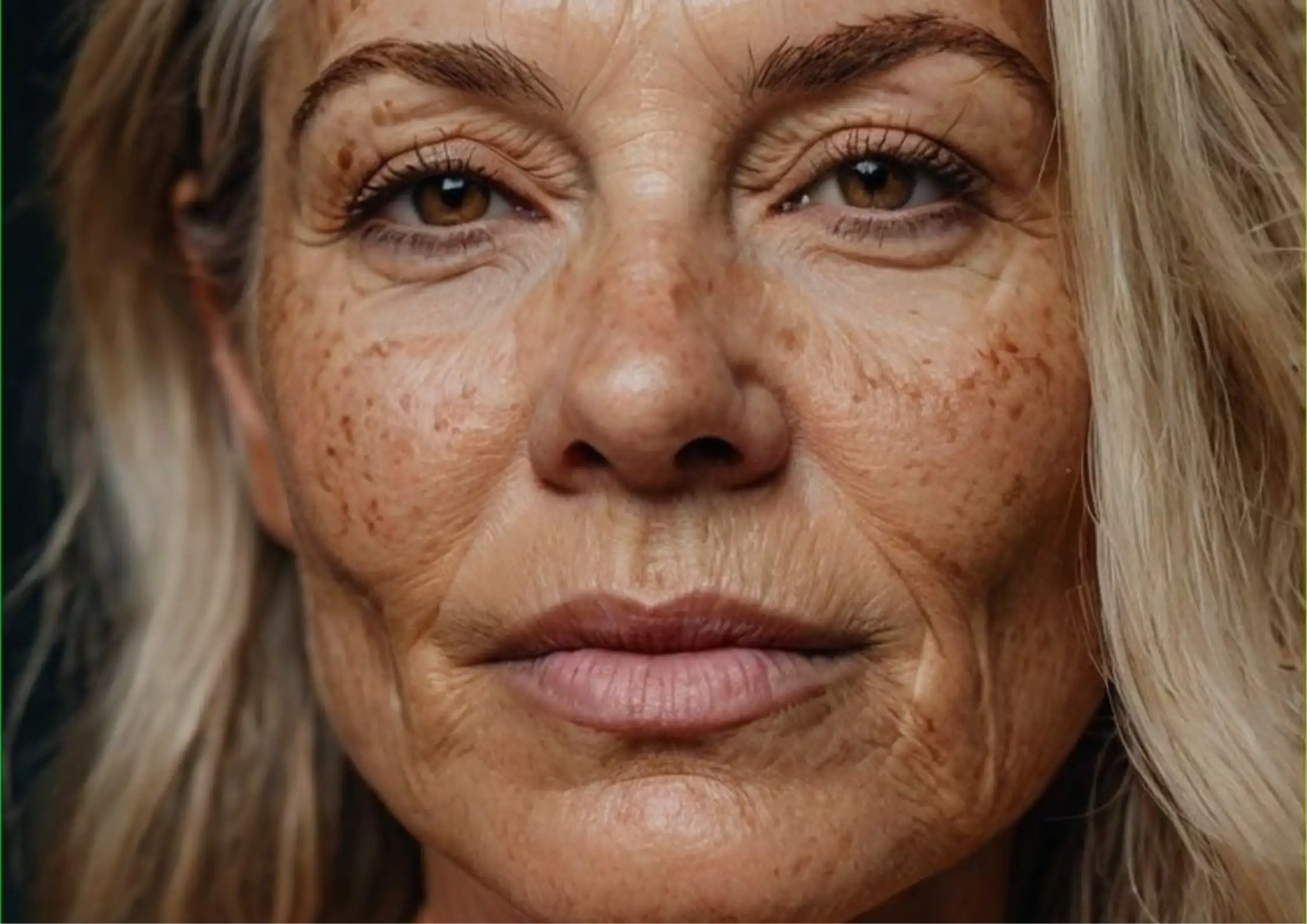
Crepey skin refers to a finely wrinkled, fragile appearance resembling thin paper. It often develops where dermal thickness has reduced and elasticity has declined.
This is typically caused by:
- Collagen depletion
- Elastin fibre disorganisation
- Reduced dermal hydration
- Hormonal decline
- Cumulative UV exposure
Crepey texture is a structural issue, not simply dryness.
Why This Happens
Collagen Thinning
As collagen fibres fragment and reduce in density, the dermal scaffold weakens. Skin becomes less firm and more prone to folding.
Elastin Degeneration
Elastin allows skin to recoil. With age and UV exposure, elastin becomes disorganised, reducing bounce-back.
Hormonal Influence
During perimenopause and menopause, oestrogen decline accelerates structural thinning. Clients in Ware SG12 and surrounding Hertfordshire areas frequently notice more rapid texture change in midlife.
The Biggest Mistake People Make With This Concern
Over-exfoliating or aggressively resurfacing thin skin. Without structural reinforcement, thinning may worsen and recovery may slow. Stability and sequencing are critical.
How ULANDA Approaches This Concern
Barrier + Sequencing Logic
At ULANDA in Ware, Hertfordshire, we assess whether crepey texture is driven primarily by:
- Dermal thinning
- Hormonal shift
- UV damage
- Barrier fragility
Barrier stability is restored before structural stimulation is introduced. Clients from Hertford, Hoddesdon and Broxbourne benefit from a controlled, layered approach rather than quick-fix resurfacing.
The ULANDA Sequencing Model
Refresh (Surface) → Renew (Cellular) → Restore (Structural) → Radiate (Internal)
Refresh (Surface)
- Barrier repair
- Hydration optimisation
- Inflammation reduction
- UV protection reinforcement
Renew (Cellular)
- Gentle cell turnover support
- Retinoid introduction when appropriate
- Controlled resurfacing if tolerated
Restore (Structural)
- Collagen Stimulation Treatments
- Definisse Hydrobooster
- Dermal elasticity support
Radiate (Internal)
- Lifestyle support
- Hormonal awareness
- Nutritional optimisation
Treatments Commonly Used for This Concern
When Appropriate
Treatment choice depends on skin thickness, hormonal context and tolerance.
Which ULANDA Signature Typically Aligns With This Concern?
Primary Signature:
Possible overlap:
Decision Logic Table
| If your skin shows… | Likely driver | Best first step |
|---|---|---|
| Fine crepey texture | Dermal thinning | Structural Skin Regeneration Signature |
| Thin under-eye skin | Collagen decline | Under-Eye Renewal Signature |
| Rapid midlife texture change | Hormonal shift | Menopause Skin Rebuild Signature |
| Sensitivity + creasing | Barrier fragility | Advanced Skin Health Consultation |
| Crepey neck or jawline | UV + collagen loss | Restore-stage structural support |
Related Conditions and Next Steps
Recommended Starting Point:
Why a Advanced Skin Health Consultation Is Essential
Crepey texture may overlap with hormonal decline, UV damage and barrier instability.
A Advanced Skin Health Consultation evaluates:
- Dermal thickness indicators
- Elastic recoil
- Hormonal influence
- Treatment readiness
- Long-term regenerative planning
You will never be pressured into treatments - recommendations are based only on what your skin is ready for.
Quick Answer
Crepey skin develops when collagen and elastin decline, leading to thinning and reduced elasticity. Hormonal shifts and UV exposure accelerate these changes. Safe correction requires barrier stabilisation followed by structured collagen support through a personalised Advanced Skin Health Consultation.
ULANDA - Ware SG12, Hertfordshire
ULANDA is a nurse-led skin clinic in Ware SG12, Hertfordshire, supporting clients from Hertford, Hoddesdon and Broxbourne with structured Advanced Skin Health Consultations and clinically sequenced Signature treatments including Structural Skin Regeneration, Menopause Skin Rebuild and Under-Eye Renewal. Our approach ensures elasticity loss and dermal thinning are stabilised before advanced regenerative treatments are introduced.
Mentioned Treatments
Explore the treatments discussed in this article.
Profhilo
Injectable bio-remodelling designed to support hydration, elasticity and natural-looking skin quality improvement.
Definisse
Hydration + elasticity improvement + wrinkle softening
Polynucleotides
Regenerative injectable treatment supporting tissue repair, collagen production and long-term skin resilience.
Related Conditions
Conditions discussed in this clinical journal article.
Related Signatures
Structured regenerative pathways related to this topic.
Frequently Asked Questions
No. It reflects structural thinning rather than simple dehydration.
Improvement is possible with structured dermal support.
Yes, hormonal decline accelerates collagen loss.
Only once barrier stability is confirmed.
It supports dermal hydration and resilience when appropriate.
Cumulative UV accelerates collagen breakdown.
Structural support can benefit skin at any stage.
Several months depending on baseline collagen status.
Yes, UV protection and nutrition influence long-term outcomes.
Gradual sequencing reduces risk and improves stability.
ULANDA is a nurse-led skin clinic in Ware, Hertfordshire offering structured Advanced Skin Health Consultations and Signature programmes. Many clients travel from Hertford, Hoddesdon, Broxbourne, Bishop's Stortford, Cheshunt and St Albans for safe, clinically guided treatment and long-term skin stability.
Ready to restore your skin?
Book a Advanced Skin Health Consultation with our Advanced Nurse Practitioner to discuss a personalised clinical plan for your skin.
Begin with a Clinical Assessment
Every ULANDA journey starts with our Advanced Skin Health Consultation — a 60–90 minute clinician-led assessment including AI skin analysis, barrier evaluation and personalised treatment planning. The £175 fee is fully redeemable against your treatment plan.