
Why Treatments Fail: When Skin Is Not Ready for Correction
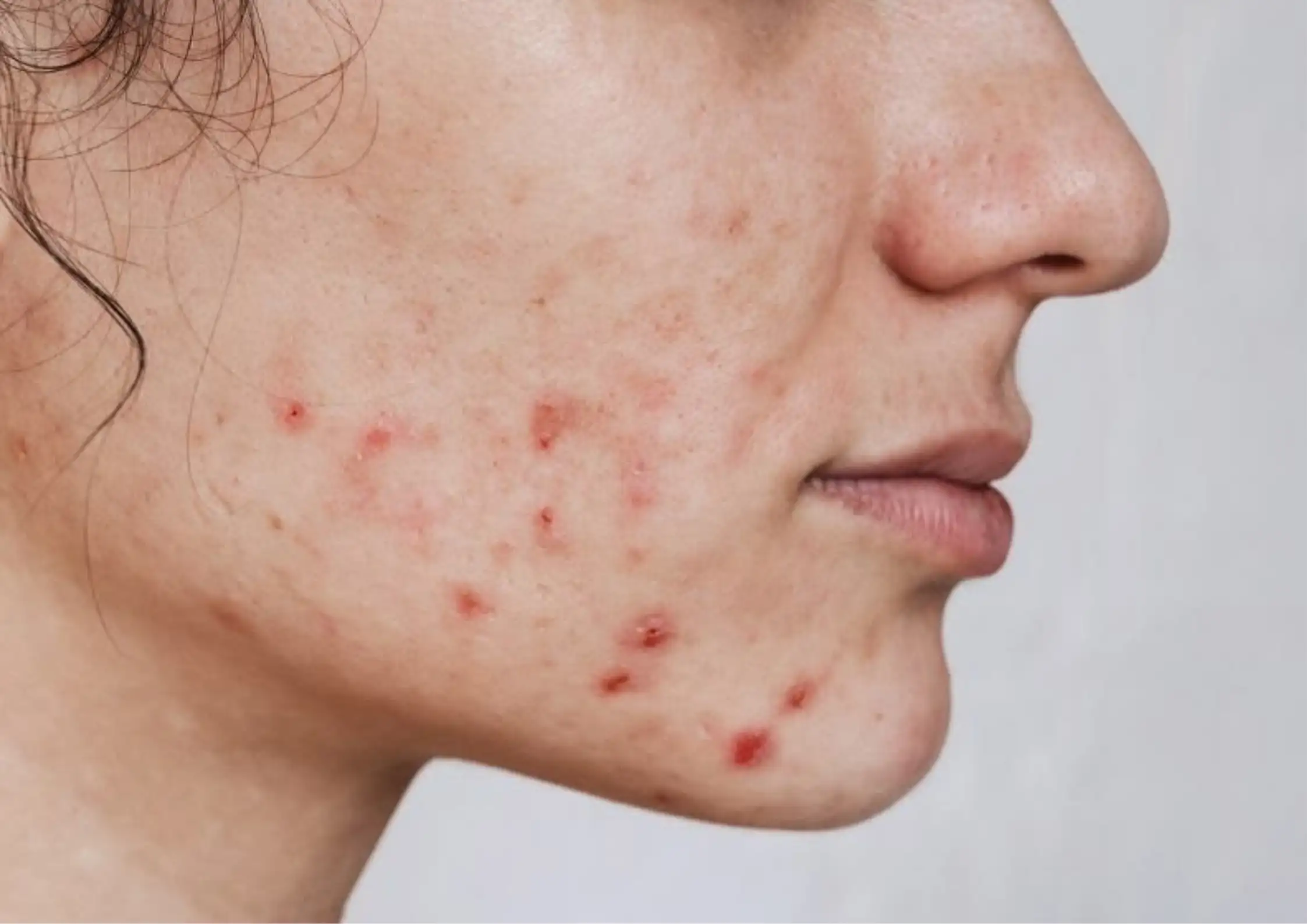
In Summary
- Treatments often fail because the skin barrier is unstable before correction begins.
- Inflammation blocks proper healing and collagen response.
- Over-exfoliation and premature stimulation weaken outcomes.
- Skin must tolerate correction before it can benefit from it.
- Redness, stinging or regression are signs of poor sequencing.
- Stabilisation improves long-term structural results.
- A structured Advanced Skin Health Consultation determines readiness before intervention.
Book Your Advanced Skin Health Consultation
If you're not sure what your skin needs, your safest starting point is a Advanced Skin Health Consultation. This structured nurse-led assessment allows us to understand your skin behaviour, barrier stability and long-term regenerative needs - so your plan is safe, personalised and sequenced correctly.
What to expect
This is the safest starting point if you've tried multiple products or treatments without lasting improvement. Once booked, our clinic team will confirm your appointment and guide you on how to prepare, so everything feels calm and clear.
If You've Been Searching These Terms, This Article Is For You
- Why do my skin treatments not work?
- Facial made my skin worse
- Skin reacting after chemical peel
- Why fillers don't last
- Collagen stimulation not working
- Over-exfoliation damage signs
- Skin barrier instability
- Why my skin keeps regressing
- Reactive skin after retinol
- Skin not responding to products Ware Hertfordshire
What This Really Means
Skin readiness refers to the biological stability of the epidermis and dermis before corrective or regenerative treatments are introduced.
If the barrier is compromised, hydration is depleted, or inflammation is active, the skin cannot:
- Heal efficiently
- Retain results
- Support collagen production
- Maintain long-term improvement
Correction applied to unstable skin often leads to short-term change followed by regression.
Why This Happens
Barrier Instability
When the lipid matrix is disrupted, transepidermal water loss (TEWL) increases and inflammatory signalling rises. Corrective treatments placed on unstable skin amplify stress rather than resolve it.
Chronic Inflammation
Low-grade inflammation interferes with fibroblast function. Collagen stimulation treatments require a stable inflammatory environment to succeed.
Incorrect Sequencing
Exfoliation, peels, injectables or structural treatments introduced too early can overload skin that has not been properly stabilised first.
This pattern is common in clients across Ware SG12, Hertford and Broxbourne who have tried multiple unsupervised interventions.
The Biggest Mistake People Make With This Concern
Escalating intensity when results plateau
Increasing strength, frequency or layering treatments does not solve instability. It deepens it. More correction does not equal better correction.
How ULANDA Approaches This Concern (Barrier + Sequencing Logic)
At ULANDA in Ware, Hertfordshire, we assess readiness before correction.
Clinical Principle
Stability determines tolerance. Tolerance determines outcome.
We calm inflammation, restore hydration and re-establish barrier strength before introducing cellular renewal or structural regeneration.
Clients travelling from Hoddesdon, Cheshunt, Bishop's Stortford and St Albans often discover that what appeared to be "treatment failure" was in fact premature intervention.
The ULANDA Sequencing Model
Sequencing Framework
Refresh (Surface) → Renew (Cellular) → Restore (Structural) → Radiate (Internal)
Refresh (Surface)
- Barrier repair
- Hydration correction
- Inflammation control
- Surface comfort restoration
Renew (Cellular)
- Controlled exfoliation
- Pigment modulation
- Retinoid reintroduction when stable
- Cell turnover normalisation
Restore (Structural)
- Collagen stimulation
- Hydrobooster treatment when appropriate
- Structural dermal support
- Volume preservation strategies
Radiate (Internal)
- Hormonal optimisation support
- Nutritional support
- IV wellness when clinically suitable
- Systemic inflammation reduction
Treatments Commonly Used for This Concern (When Appropriate)
- Barrier Support Facial — Surface stabilisation and hydration
- LED Therapy — Anti-inflammatory light therapy for cellular repair
- Chemical Peels (only once stable) — Controlled renewal when barrier is ready
- Definisse Hydrobooster — Deep dermal hydration support
- Collagen Stimulation Treatments — Structural support when skin can tolerate it
Important
All treatments are introduced based on skin readiness. No treatment is applied without a prior assessment of barrier stability.
Which ULANDA Signature Typically Aligns With This Concern?
Primary Signature
- Skin Barrier Repair & Resilience — Structured stabilisation before any corrective treatment
Possible overlap depending on presentation
- Rosacea & Redness Control — When inflammation and vascular instability are dominant
- Structural Skin Regeneration — When structural decline compounds barrier issues
Decision Logic Table
| If your skin shows - | Likely driver | Best first step |
|---|---|---|
| Treatments stop working quickly | Barrier instability | Skin Barrier Repair & Resilience Signature |
| Redness after mild procedures | Active inflammation | LED Therapy + barrier stabilisation |
| Fillers not lasting | Poor collagen environment | Structured Advanced Skin Health Consultation |
| Flare-ups after peels | Over-exfoliation | Active withdrawal + barrier repair |
| Skin improves then regresses | Incorrect sequencing | Reassess readiness before correction |
Why a Advanced Skin Health Consultation Is Essential
Visual symptoms do not always reveal biological readiness.
A structured assessment evaluates:
- Barrier integrity
- Inflammatory load
- Hormonal influence
- Structural decline
- Treatment tolerance
You will never be pressured into treatments - recommendations are based only on what your skin is ready for.
What Improvement Should Feel Like
Early
- Reduced irritation
- Greater comfort
- Less reactivity
Mid-Stage
- Improved tolerance to actives
- More consistent hydration
- Even tone stability
Long-Term
- Sustained structural improvement
- Better collagen response
- Longer-lasting results
Quick Answer
Skin treatments fail when the barrier is unstable and inflammation is active. Correction must follow stabilisation. A structured Advanced Skin Health Consultation ensures your skin is ready before introducing corrective or regenerative treatments.
Mentioned Treatments
Explore the treatments discussed in this article.
Related Conditions
Conditions discussed in this clinical journal article.
Related Signatures
Structured regenerative pathways related to this topic.
Frequently Asked Questions
Because barrier instability prevents sustained results.
Only once stabilised.
It may have been introduced too early.
Burning, tightness and regression are indicators.
Not necessarily - structured review is essential.
Inflammation and poor dermal support can reduce longevity.
Yes, hormonal decline affects stability.
Yes, when used appropriately.
Typically several weeks depending on severity.
No. Sequencing determines success.
ULANDA is a nurse-led skin clinic in Ware, Hertfordshire offering structured Advanced Skin Health Consultations and Signature programmes. Many clients travel from Hertford, Hoddesdon, Broxbourne, Bishop's Stortford, Cheshunt and St Albans for safe, clinically guided treatment and long-term skin stability.
Ready to restore your skin?
Book a Advanced Skin Health Consultation with our Advanced Nurse Practitioner to discuss a personalised clinical plan for your skin.
Begin with a Clinical Assessment
Every ULANDA journey starts with our Advanced Skin Health Consultation — a 60–90 minute clinician-led assessment including AI skin analysis, barrier evaluation and personalised treatment planning. The £175 fee is fully redeemable against your treatment plan.