
Menopause Skin Changes

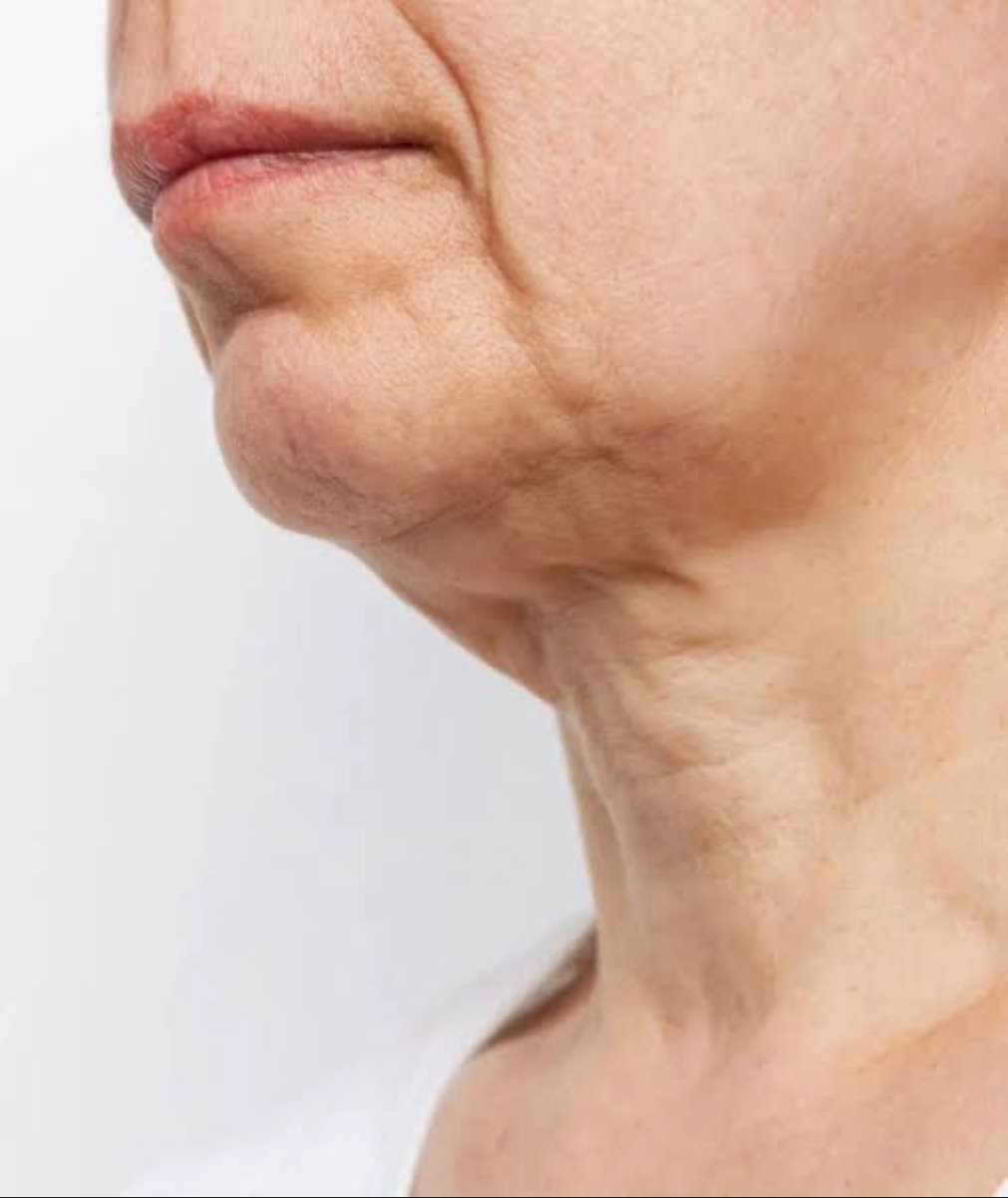
Common Triggers & Drivers
Common triggers and drivers may include:
Reduced Oestrogen
Leading to collagen and elastin decline.
Weakened Barrier Function
Increased water loss (TEWL) and dryness.
Skin Thinning
Reduced repair capacity and fragility.
Increased Inflammation
Sensitivity and flushing patterns.
Hormonal Changes
Affecting pigmentation, texture and elasticity.
Primary Recommended Programme Pathway: Menopause Skin Rebuild Programme
Recommended Treatments
Based on your condition, we recommend the following treatments.
Deep Hydration Facial
Restores hydration and comfort in hormonally dry skin.
Barrier Support Facial
Strengthens barrier stability and reduces sensitivity flare-ups.
LED Light Therapy
Supports repair, inflammation control and skin resilience.
Skin Booster Treatments
Improves hydration retention and skin plumpness (where clinically appropriate).
Polynucleotide Regenerative Therapy
Supports tissue repair, elasticity and skin quality (where clinically appropriate).
Microneedling / Collagen Induction Therapy
Stimulates collagen rebuilding and improves texture when barrier-ready.
Clinical Insights
ULANDA Clinical Perspectives.
Dehydrated vs Dry Skin: The Difference That Changes Your Treatment Plan
Understand the difference between dehydrated and dry skin and why it changes your treatment plan.
Hard Water, Inflammation & Skin Sensitivity: The Hidden Trigger in Hertfordshire
How hard water in Hertfordshire may trigger inflammation, barrier damage and skin sensitivity - and when to book a Advanced Skin Health Consultation.
Under-Eye Ageing in Menopause: Why Hollowness and Creasing Accelerate
Discover why under-eye hollowness and creasing accelerate during menopause. Nurse-led clinical insight from ULANDA in Ware, Hertfordshire.
Oestrogen, Collagen and Elasticity: Why Skin Changes Rapidly in Midlife
Learn how declining oestrogen affects collagen, elastin and skin elasticity in midlife. Nurse-led clinical insight from ULANDA in Ware, Hertfordshire.
Menopause and Skin Biology: How Hormonal Shifts Change Skin Behaviour
Discover how menopause affects collagen, elastin and barrier stability. Nurse-led clinical insight from ULANDA in Ware, Hertfordshire.
Menopause Pigmentation Patterns: Why Dark Spots Can Suddenly Worsen
Discover why dark spots often worsen during menopause and how hormonal shifts affect pigmentation. Nurse-led clinical insight from ULANDA in Ware, Hertfordshire.
Primary Recommended Programme Pathway:
Menopause Skin Rebuild ProgrammeWhy Clients Choose ULANDA
- ●Advanced Nurse Practitioner-led consultation with menopause-specific skin understanding
- ●Nurse Independent Prescriber oversight where clinically appropriate
- ●Regenerative-first approach focused on collagen rebuilding and skin longevity
- ●Barrier-first decision-making to reduce fragility and treatment risk
- ●Calm premium environment with strong clinical governance and safety standards
- ●Trusted by women across Ware, Hertfordshire and surrounding areas
Frequently Asked Questions
Oestrogen supports hydration retention and barrier integrity. During menopause, oestrogen declines significantly, reducing moisture retention and weakening the barrier. This often leads to tightness, dryness, sensitivity and rough texture.
Menopause skin changes can be improved significantly with the right approach. While the biology changes, skin quality, comfort, hydration and collagen behaviour can be strengthened through structured treatment sequencing and regenerative support.
Menopause can reduce dermal thickness and slow repair capacity. This makes skin more prone to irritation, bruising, crepey texture and sensitivity. Barrier-first planning is essential during this stage.
Yes. Collagen decline accelerates during menopause, contributing to firmness loss, laxity and deepening lines. ULANDA focuses on regenerative support that strengthens skin architecture over time.
Yes. Under-eye hollows, creasing and fragility often become more noticeable during menopause due to collagen loss, thinning tissue and reduced hydration retention.
Yes. Hot flushes and increased inflammation patterns are common. Many women notice their skin becomes more reactive and redness becomes more persistent during menopause.
Menopause skin responds best to structured programmes that rebuild hydration, strengthen the barrier and support collagen regeneration. This may include hydration therapy, LED support, and regenerative treatments where clinically appropriate.
Yes. Many menopause clients experience chronic dryness due to reduced barrier lipids and hydration retention. This often requires a structured barrier-first recovery phase before advanced correction.
It can. Hormonal shifts can increase pigmentation sensitivity, especially when combined with sun exposure or inflammation. Pigment stability must be managed carefully.
Yes. Adult hormonal breakouts are common during menopause. The skin often becomes both acne-prone and dry, which is why treatment must be balanced and barrier-safe.
ULANDA is a nurse-led skin clinic in Ware, Hertfordshire, focused on structured skin regeneration programmes and long-term skin resilience.
Support Your Skin's Strength
Book a consultation to nourish and firm menopausal skin.
Book Advanced Skin Health ConsultationBegin with a Clinical Assessment
Every ULANDA journey starts with our Advanced Skin Health Consultation — a 60–90 minute clinician-led assessment including AI skin analysis, barrier evaluation and personalised treatment planning. The £175 fee is fully redeemable against your treatment plan.