
Menopause Pigmentation Patterns: Why Dark Spots Can Suddenly Worsen
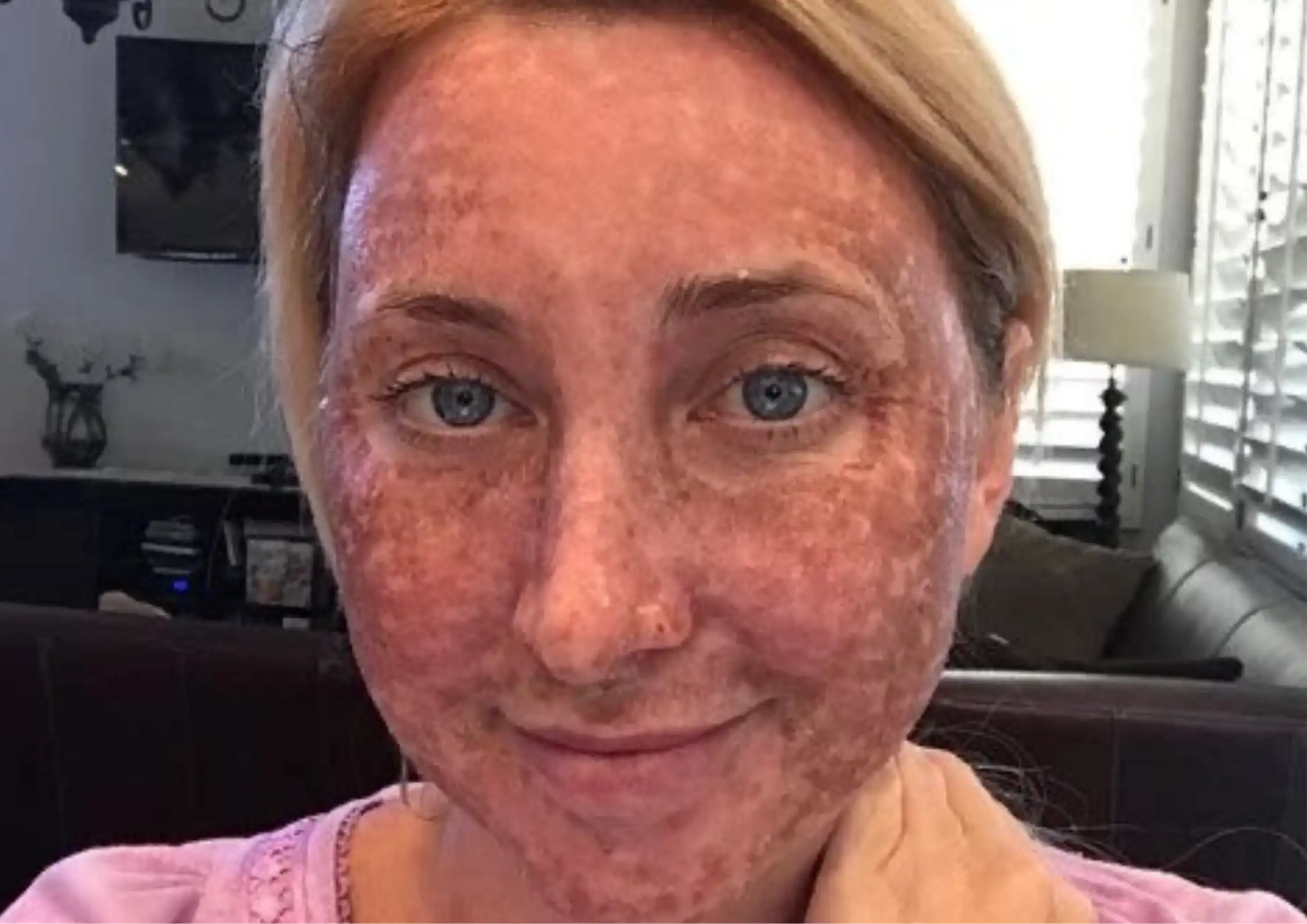
In Summary
- Hormonal decline during menopause alters melanin regulation.
- Estrogen reduction can destabilise pigment control mechanisms.
- Inflammation and vascular instability may intensify dark spots.
- Slower cell turnover allows pigment to accumulate.
- Barrier fragility prolongs pigment persistence.
- Treating pigment without stabilising inflammation leads to recurrence.
- A structured Advanced Skin Health Consultation ensures safe, biologically aligned correction.
Book Your Advanced Skin Health Consultation
If you're not sure what your skin needs, your safest starting point is a Advanced Skin Health Consultation. This structured nurse-led assessment allows us to understand your skin behaviour, barrier stability and long-term regenerative needs - so your plan is safe, personalised and sequenced correctly. "This is the safest starting point if you've tried multiple products or treatments without lasting improvement." "Once booked, our clinic team will confirm your appointment and guide you on how to prepare, so everything feels calm and clear."
If You've Been Searching These Terms, This Article Is For You
- Dark spots worsening during menopause
- Hormonal pigmentation midlife
- Melasma after 45
- Why is my pigmentation darker now?
- Brown patches menopause Ware SG12
- Sudden hyperpigmentation Hertfordshire
- Midlife facial dark spots
- Pigment changes perimenopause
- Menopause melasma near Hertford
- Pigmentation treatment Hoddesdon
What This Really Means
Menopause affects pigment regulation at multiple levels.
Declining estrogen influences:
- Melanocyte activity
- Vascular stability
- Inflammatory signalling
- Skin turnover rate
This combination can cause:
- Existing sun damage to appear darker
- New pigment patches to emerge
- Uneven tone to become more pronounced
These changes are biologically driven, not simply environmental.
Why This Happens
Hormonal Melanin Dysregulation
Estrogen interacts with melanocyte receptors. When levels decline, melanin production may become less regulated, contributing to darker or more uneven pigmentation.
Inflammation Amplification
Menopause may increase systemic and cutaneous inflammation. Inflammatory mediators stimulate melanin production, deepening pigment over time.
Slower Cellular Turnover
Reduced turnover means pigment remains visible for longer. Clients in Ware SG12, Hertford and Broxbourne often notice that dark spots take longer to fade during midlife.
The Biggest Mistake People Make With This Concern
Introducing aggressive pigment treatments too early. If barrier fragility or inflammation is present, strong peels or high-strength actives can worsen pigmentation. Stabilisation must precede correction.
How ULANDA Approaches This Concern
Barrier + Sequencing Logic
At ULANDA in Ware, Hertfordshire, menopausal pigmentation is approached with layered care.
We first calm inflammation and rebuild barrier integrity. Once stability is confirmed, structured renewal is introduced to modulate pigment safely.
Clients from Hoddesdon, Cheshunt, Bishop's Stortford and St Albans often see improved outcomes when hormonal context is considered in treatment planning.
The ULANDA Sequencing Model
Refresh (Surface) → Renew (Cellular) → Restore (Structural) → Radiate (Internal)
Refresh (Surface)
- Barrier repair
- Inflammation calming
- Hydration correction
- Skin tolerance rebuilding
Renew (Cellular)
- Controlled pigment modulation
- Gentle resurfacing when stable
- Retinoid introduction if appropriate
Restore (Structural)
- Collagen support
- Hydrobooster if dermal thinning is present
- Structural reinforcement
Radiate (Internal)
- Hormonal optimisation support
- Nutritional support
- Systemic inflammation reduction
Treatments Commonly Used for This Concern
- Barrier Support Facial
- LED Therapy
- Chemical Peels (once stable)
- Definisse Hydrobooster
- Collagen Stimulation Treatments
Treatment timing depends on inflammatory and barrier stability.
Which ULANDA Signature Typically Aligns With This Concern?
Primary Signature:
Possible overlap:
Decision Logic Table
| If your skin shows… | Likely driver | Best first step |
|---|---|---|
| Dark spots worsening after 45 | Hormonal melanin dysregulation | Menopause Skin Rebuild Signature |
| Brown patches with redness | Inflammation-driven pigmentation | Stabilisation before correction |
| Pigment not fading | Slower turnover | Structured Advanced Skin Health Consultation |
| Dry + pigmented skin | Barrier fragility + hormonal shift | Barrier Support Facial |
| Pigment + laxity | Hormonal structural change | Structural support sequencing |
Related Conditions and Next Steps
Recommended Starting Point:
Why a Advanced Skin Health Consultation Is Essential
Menopausal pigmentation rarely exists in isolation. Barrier fragility, vascular instability and structural change often coexist.
A Advanced Skin Health Consultation evaluates:
- Pigment depth
- Hormonal influence
- Barrier resilience
- Treatment tolerance
You will never be pressured into treatments - recommendations are based only on what your skin is ready for.
What Improvement Should Feel Like
Early
- Reduced redness
- Improved comfort
- More even hydration
Mid-Stage
- Gradual lightening
- More even tone
- Improved tolerance to renewal
Long-Term
- Stable pigment regulation
- Resilient barrier
- Improved structural integrity
Quick Answer
Menopause affects pigment regulation by altering estrogen levels, increasing inflammation and slowing cell turnover. This can cause dark spots to deepen or persist. A structured Advanced Skin Health Consultation ensures barrier stability before pigment correction begins.
ULANDA - Ware SG12, Hertfordshire
ULANDA is a nurse-led skin clinic in Ware SG12, Hertfordshire, supporting clients from Hertford, Hoddesdon and Broxbourne with structured Advanced Skin Health Consultations and clinically sequenced Signature treatments including Menopause Skin Rebuild, Photoaging & Skin Architecture and Skin Barrier Repair & Resilience. Our approach ensures hormonal pigmentation is stabilised before introducing advanced renewal and structural treatments.
Mentioned Treatments
Explore the treatments discussed in this article.
Related Conditions
Conditions discussed in this clinical journal article.
Related Signatures
Structured regenerative pathways related to this topic.
Frequently Asked Questions
Hormonal shifts affect melanin regulation and inflammation.
It can be improved with structured care.
Yes, hormonal fluctuation may trigger it.
Not until inflammation and barrier stability are confirmed.
It reduces inflammation, supporting pigment stability.
Existing sun damage may appear more prominent.
Barrier fragility may prolong pigment retention.
It supports structural hydration but does not directly remove pigment.
Several months depending on depth and stability.
Hormonal optimisation may support overall stability.
ULANDA is a nurse-led skin clinic in Ware, Hertfordshire offering structured Advanced Skin Health Consultations and Signature programmes. Many clients travel from Hertford, Hoddesdon, Broxbourne, Bishop's Stortford, Cheshunt and St Albans for safe, clinically guided treatment and long-term skin stability.
Ready to restore your skin?
Book a Advanced Skin Health Consultation with our Advanced Nurse Practitioner to discuss a personalised clinical plan for your skin.
Begin with a Clinical Assessment
Every ULANDA journey starts with our Advanced Skin Health Consultation — a 60–90 minute clinician-led assessment including AI skin analysis, barrier evaluation and personalised treatment planning. The £175 fee is fully redeemable against your treatment plan.