
Pigmentation Behaviour: Why Dark Spots Return After Treatment
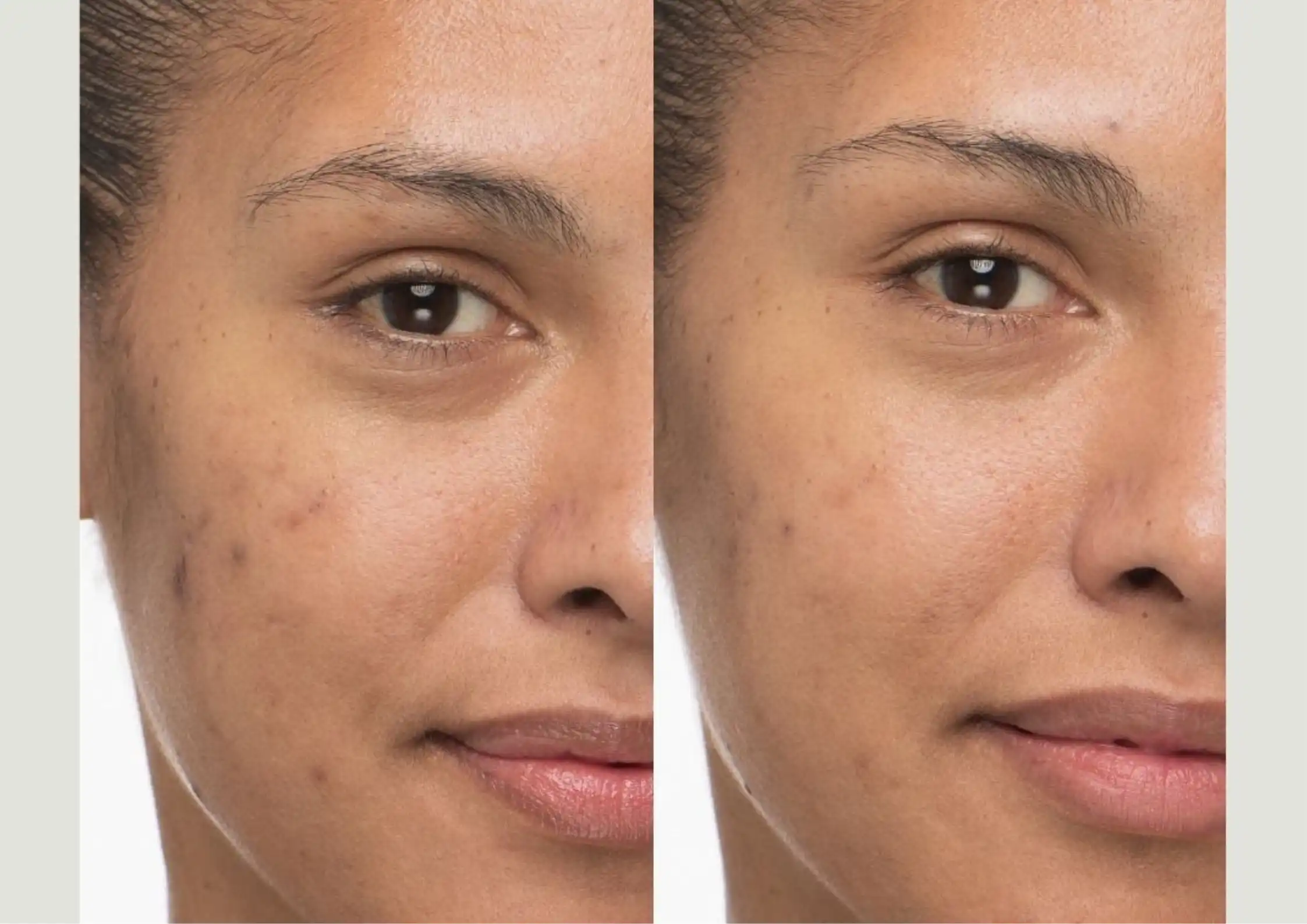
In Summary
- Pigmentation is a biological response, not just a surface stain.
- Dark spots often return when underlying triggers remain active.
- Inflammation, hormones and UV exposure drive recurrence.
- Barrier instability increases pigment reactivation.
- Treating pigment without stabilisation leads to short-lived results.
- Structural and hormonal factors must be considered.
- A structured Advanced Skin Health Consultation ensures long-term stability before correction.
Book Your Advanced Skin Health Consultation
If you're not sure what your skin needs, your safest starting point is a Advanced Skin Health Consultation. This structured nurse-led assessment allows us to understand your skin behaviour, barrier stability and long-term regenerative needs - so your plan is safe, personalised and sequenced correctly. "This is the safest starting point if you've tried multiple products or treatments without lasting improvement." "Once booked, our clinic team will confirm your appointment and guide you on how to prepare, so everything feels calm and clear."
If You've Been Searching These Terms, This Article Is For You
- Why do dark spots come back?
- Pigmentation returning after chemical peel
- Melasma relapse midlife
- Recurring hyperpigmentation Ware SG12
- Brown spots keep coming back
- Pigment after laser returning
- Inflammation causing dark spots
- Menopause pigmentation relapse
- Pigmentation treatment Hertford
- Hyperpigmentation near Hoddesdon
What This Really Means
Pigmentation is dynamic. Melanocytes respond to internal and external stimuli including:
- UV exposure
- Hormonal shifts
- Inflammatory signalling
- Barrier disruption
When these triggers remain active, melanocytes reactivate. Dark spots may fade temporarily but return because the underlying driver persists.
Pigment behaviour reflects biology, not treatment failure alone.
Why This Happens
Persistent Inflammation
Inflammatory mediators stimulate tyrosinase activity, increasing melanin production even after prior lightening.
Hormonal Influence
Perimenopause and menopause alter melanin regulation. Clients in Ware SG12, Hertford and Broxbourne often notice pigment recurrence during hormonal transition.
Barrier Instability
A weakened barrier prolongs inflammation and increases sensitivity to UV and actives, re-triggering pigmentation.
The Biggest Mistake People Make With This Concern
Escalating strength when pigment returns. Stronger peels or aggressive correction without calming triggers often worsen inflammation and deepen recurrence cycles. Stability precedes intensity.
How ULANDA Approaches This Concern
Barrier + Sequencing Logic
At ULANDA in Ware, Hertfordshire, we evaluate pigment behaviour within its biological context.
Inflammation is reduced. Barrier integrity is restored. Hormonal influence is considered. Only then is structured pigment modulation introduced.
Clients from Cheshunt, Bishop's Stortford and St Albans often see longer-lasting results when sequencing is corrected.
The ULANDA Sequencing Model
Refresh (Surface) → Renew (Cellular) → Restore (Structural) → Radiate (Internal)
Refresh (Surface)
- Barrier repair
- Inflammation calming
- Hydration correction
- UV strategy reinforcement
Renew (Cellular)
- Controlled pigment modulation
- Gentle resurfacing when stable
- Retinoid introduction if appropriate
Restore (Structural)
- Collagen support
- Hydrobooster if dermal thinning contributes
- Structural reinforcement
Radiate (Internal)
- Hormonal optimisation support
- Nutritional guidance
- Systemic inflammation management
Treatments Commonly Used for This Concern
- Barrier Support Facial
- LED Therapy
- Chemical Peels (once stabilised)
- Definisse Hydrobooster
- Collagen Stimulation Treatments
Timing depends on inflammatory and barrier readiness.
Which ULANDA Signature Typically Aligns With This Concern?
Primary Signature:
Possible overlap:
Decision Logic Table
| If your skin shows… | Likely driver | Best first step |
|---|---|---|
| Pigment fading then returning | Persistent inflammation | Skin Barrier Repair & Resilience Signature |
| Dark spots worsening in midlife | Hormonal melanin dysregulation | Menopause Skin Rebuild Signature |
| Pigment after redness | Inflammation-driven pigmentation | Stabilisation before correction |
| Pigment deepening after peel | Barrier instability | Barrier Support Facial |
| Recurring melasma pattern | Hormonal + UV influence | Structured Advanced Skin Health Consultation |
Related Conditions and Next Steps
Recommended Starting Point:
Why a Advanced Skin Health Consultation Is Essential
Recurring pigment reflects ongoing biological triggers.
A Advanced Skin Health Consultation evaluates:
- Pigment depth
- Inflammatory activity
- Barrier stability
- Hormonal influence
- Treatment tolerance
You will never be pressured into treatments - recommendations are based only on what your skin is ready for.
What Improvement Should Feel Like
Early
- Reduced inflammation
- Improved comfort
- Barrier stabilisation
Mid-Stage
- Gradual lightening
- More even tone
- Improved tolerance
Long-Term
- Stable pigment regulation
- Resilient barrier
- Reduced recurrence
Quick Answer
Dark spots return when underlying triggers such as inflammation, hormonal shifts or barrier instability remain active. Pigmentation must be stabilised before correction. A structured Advanced Skin Health Consultation ensures safe, long-term pigment management.
ULANDA - Ware SG12, Hertfordshire
ULANDA is a nurse-led skin clinic in Ware SG12, Hertfordshire, supporting clients from Hertford, Hoddesdon and Broxbourne with structured Advanced Skin Health Consultations and clinically sequenced Signature treatments including Photoaging & Skin Architecture, Menopause Skin Rebuild and Skin Barrier Repair & Resilience. Our approach ensures inflammation and hormonal triggers are stabilised before advanced pigment correction treatments are introduced.
Mentioned Treatments
Explore the treatments discussed in this article.
Related Conditions
Conditions discussed in this clinical journal article.
Related Signatures
Structured regenerative pathways related to this topic.
Frequently Asked Questions
Underlying triggers may remain active.
It is common if inflammation or hormones are not stabilised.
Hormonal shifts can reactivate melanocytes.
Only once stability is confirmed.
Yes, even low-level exposure may reactivate pigment.
It reduces inflammatory triggers.
With proper sequencing, stability improves.
It is manageable with structured care.
Inflammation may amplify pigment production.
Structural support improves resilience but does not directly lighten pigment.
ULANDA is a nurse-led skin clinic in Ware, Hertfordshire offering structured Advanced Skin Health Consultations and Signature programmes. Many clients travel from Hertford, Hoddesdon, Broxbourne, Bishop's Stortford, Cheshunt and St Albans for safe, clinically guided treatment and long-term skin stability.
Ready to restore your skin?
Book a Advanced Skin Health Consultation with our Advanced Nurse Practitioner to discuss a personalised clinical plan for your skin.
Begin with a Clinical Assessment
Every ULANDA journey starts with our Advanced Skin Health Consultation — a 60–90 minute clinician-led assessment including AI skin analysis, barrier evaluation and personalised treatment planning. The £175 fee is fully redeemable against your treatment plan.